

The Hidden Cost of Success
What Is Leadership Burnout?
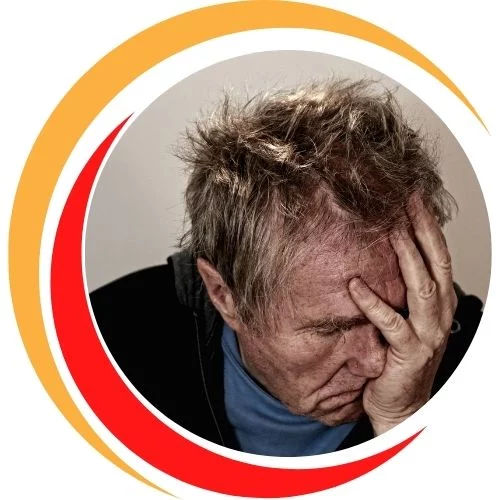
Leadership burnout is more than just being tired. It’s a state of chronic physical, emotional, and mental exhaustion caused by prolonged stress and overwork. In the small business context, this can look like constant firefighting, blurred work-life boundaries, and the crushing weight of being “the one responsible for everything”.
Unlike general workplace stress, leadership burnout builds gradually. It wears down decision-making capacity, increases cynicism, and reduces motivation and job satisfaction. When left unchecked, it doesn’t just affect the business leader. It infects the entire culture, performance, and resilience of the business.
In Australia, leadership burnout is becoming a quiet crisis. A recent survey by Beyond Blue found that 60% of small business owners experienced stress related to running their business, with over a third reporting high levels of psychological distress. With more than 97% of Australian businesses classified as small businesses, this trend has significant ripple effects on local economies and employment.
Common Triggers of Leadership Burnout
Leadership burnout doesn’t appear overnight. It’s often the result of compounding stressors that build up over time. For SME owners, the most common triggers include:
- Constant Pressure to Perform
Running a small business in Australia means dealing with multiple demands: cash flow, staffing, compliance, customer service, and strategic planning. Without the buffers or resources of larger enterprises, leaders carry the burden alone.
- Isolation at the Top
Leadership can be lonely. Many small business owners don’t have a board, a mentor, or an HR department to lean on. This isolation makes it harder to share concerns, make balanced decisions, or validate ideas.
- Poor Work-Life Boundaries
When you’re your business’s face, engine and safety net, switching off feels irresponsible. Long hours, weekend catch-ups and middle-of-the-night worry sessions become normalised.
- Reactive Workflows
Without structured systems, many small businesses operate in a permanent reactive state. Leaders spend their days “putting out fires” instead of strategically building capacity. This constant urgency erodes mental resilience.
- Unclear Role Definition
Many small business leaders wear too many hats-HR, finance, marketing, and customer service. This role ambiguity leads to decision fatigue and blurred accountability.
- Team Friction
When culture issues arise or team members underperform, leaders often internalise the problem. This adds emotional labour to an already overloaded mental landscape.
Signs You’re Headed for Burnout
Identifying burnout early is key to prevention. Watch for these red flags:
- Ongoing fatigue or trouble sleeping
- Loss of enthusiasm or sense of purpose
- Procrastination or avoiding decision-making
- Increased irritability or withdrawal
- Difficulty focusing or making simple choices
- Feeling unappreciated, even resentful
- Physical symptoms like headaches, stomach issues, or muscle pain
If you notice more than a few of these, it’s time to act.
Prevention Strategies for SME Leaders
Preventing leadership burnout isn’t about taking a holiday. It requires structural and mindset changes that build long-term resilience.
- Set Clear Operational Boundaries
Draw a firm line between business and personal time. Limit after-hours communication. Set expectations about availability with your team and clients.
- Delegate and Build Capability
You don’t have to do it all. Identify tasks that others can own. Invest in training so your team can take real responsibility.
Not sure where to start? Our HR and IR consulting services help build clear role structures, effective onboarding, and sustainable performance systems.
- Create Decision-Making Systems
Standardise everyday decisions through policies, checklists and automations. This reduces decision fatigue and ensures consistency even under stress.
- Reconnect With Purpose
Why did you start your business? Revisit your “why” and align daily tasks to long-term goals. This restores motivation and filters out distractions.
- Engage a Business Coach or Mentor
External support brings clarity, objectivity and encouragement. Professional coaches challenge you, help solve complex problems, and prevent burnout before it happens.
- Implement HR Frameworks
HR isn’t just for big business. A clear HR strategy protects your well-being by reducing conflict, improving accountability, and easing the pressure of people management. SBAAS specialises in HR frameworks tailored to the Australian SME environment.
- Protect Your Health
Exercise, sleep and diet are non-negotiable for cognitive function and emotional stability. Don’t treat well-being as optional-it’s your most valuable asset.
When to Seek Help
You don’t have to reach rock bottom to ask for help. Early intervention often delivers the best outcomes.
Consider seeking support if:
- Your physical or mental health is declining
- You’re questioning whether to continue your business
- You feel disconnected from your team or mission
- You’re constantly overwhelmed despite putting in effort
- You’re struggling to make key decisions or lead confidently
Remember, burnout is not a personal failure. It’s a structural and environmental issue that can be solved with the right strategies and support.
The Cost of Ignoring Burnout
Unchecked leadership burnout doesn’t just affect the individual. It damages the business. Symptoms may include:
- High staff turnover
- Poor client experience
- Lack of innovation
- Missed opportunities
- Financial decline
- Damaged reputation
Small businesses can’t afford to lose their edge or leaders in a tight Australian labour market and volatile economy.
Executive Burnout Solutions That Work
At SBAAS, we specialise in practical, proven solutions to support small business leaders and their teams. Our HR and business coaching programs are built for the Australian context, blending strategic structure with human-centred support.
Our approach includes:
- Tailored burnout prevention strategies
- Leadership development programs
- Delegation frameworks and role clarity tools
- Crisis response support
- Workplace culture repair
- HR compliance systems to reduce friction and ambiguity
Whether you need help building a resilient team or protecting your energy, our HR and IR services are designed to empower small business owners, not exhaust them.
Take Control Before Burnout Takes Over
Leadership burnout is real, but it doesn’t have to define your future. Protect your time, energy and impact by building systems, seeking support and making smarter decisions. You don’t have to do it alone.
Ready to protect your leadership, your business and your health? Book a confidential consultation with SBAAS today or learn more about who we are and how we help leaders like you stay Actually Supported.
Sources
- Australian Bureau of Statistics
- Beyond Blue – Business Owners’ Mental Health Research
- Safe Work Australia – Work-Related Mental Health Conditions
- WorkSafe Victoria – Preventing Workplace Stress
- ISO 24495-1:2023 Plain Language Standard
- Harvard Business Review – Burnout Research
Eric Allgood is the Managing Director of SBAAS and brings over two decades of experience in corporate guidance, with a focus on governance and risk, crisis management, industrial relations, and sustainability.
He founded SBAAS in 2019 to extend his corporate strategies to small businesses, quickly becoming a vital support. His background in IR, governance and risk management, combined with his crisis management skills, has enabled businesses to navigate challenges effectively.
Eric’s commitment to sustainability shapes his approach to fostering inclusive and ethical practices within organisations. His strategic acumen and dedication to sustainable growth have positioned SBAAS as a leader in supporting small businesses through integrity and resilience.
Qualifications:
- Master of Business Law
- MBA (USA)
- Graduate Certificate of Business Administration
- Graduate Certificate of Training and Development
- Diploma of Psychology (University of Warwickshire)
- Bachelor of Applied Management
Memberships:
- Small Business Association of Australia –
International Think Tank Member and Sponsor - Australian Institute of Company Directors – MAICD
- Institute of Community Directors Australia – ICDA
- Australian Human Resource Institute – CAHRI
Our Consulting Services
Management Consulting

Compliance & Risk
Professional Writing Services
Consistency in Communication
Small Business Consulting
Sustainable Businesses
Start-ups
Set-up for Success
Further reading

Is Business Coaching Really Worth It? Here’s What Every Aussie SME Needs to Know
Business coaching is no longer a luxury—it’s a strategy. This article explores the tangible returns and real-world results Australian SMEs see from business coaching in today’s climate.

Since 1 August, Every Childcare Service Has a Written Duty to Children With Disability. Most Have Not Read It.
On 1 August 2026, the Disability Standards for Education 2005 were extended to almost every early childhood service in Australia: long day care, family day care, in-home care, outside school hours and vacation care. The obligations under the Disability Discrimination Act were always there. What has changed is that they are now spelled out, auditable, and enforceable in a form that families and regulators can point to. Here is what the Standards require, what a reasonable adjustment actually is, and what to put in place now.

Your Next Patient May Never See a List. An AI Will Choose for Them.
More and more buying decisions are being made by AI, not people. For allied health practices, that shift may soon influence how patients discover, compare and book healthcare services. As AI agents become the gatekeepers of search and selection, practices with accurate, consistent and easily accessible information will be the ones most likely to be recommended. The good news? The same factual, transparent approach that AI rewards is also aligned with AHPRA’s advertising requirements.

Most Small Businesses Now Own AI. Almost None Use It Well. Here Is How to Be the Exception.
Most small businesses now use some form of AI. Very few get real value from it. Agentic AI changes that by moving beyond simple prompts and handling multi-step tasks, but the advantage does not come from owning more tools. It comes from choosing one useful workflow, keeping a person accountable, measuring the result, and building from what works.

The Price of Getting It Wrong Just Doubled
In March 2026, the maximum penalties under the Australian Consumer Law doubled overnight. You will probably never face the top fine. So why should a small business owner care? Because the change quietly raised the stakes on the everyday decisions you already make, from the quote you send tomorrow to the refund you handle next week.

Seven in Ten Change Efforts Fail. The Problem Is Rarely the Plan.
Most change efforts fail, and almost never because of the plan. They fail on people. Leading change well means giving people a compelling why, modelling the change yourself, bringing your team and clients with you, and following through long after launch. Get that right, and change becomes the thing that pulls your business ahead, not the thing that breaks it.