


Is Business Coaching Really Worth It? Here’s What Every Aussie SME Needs to Know
The Real ROI of Business Coaching for SMEs
In Australia’s competitive economy, small business owners are under increasing pressure to grow, adapt and succeed. But with tight budgets and limited time, many ask, “Is business coaching really worth it?” This article explores the real return on investment (ROI) of business coaching for SMEs, with a sharp focus on results, costs, and how to choose the right support.
What Does Business Coaching Cost?
When considering business coaching, the first question most SME owners ask is: what’s the price tag?
Costs can vary significantly depending on the coach’s experience, delivery method and the depth of support. Business coaching packages in Australia typically fall into these categories:
- Hourly rate: $200 to $750 per hour
- Monthly retainers: $1,750 to $5,000 per month
- Project-based or performance coaching: Ranges from $5,000 to $50,000 over a set period
SBAAS’s Actually Supported Business Coaching offers tailored, high-impact programs that scale with your business’s stage and needs.
While coaching might seem costly at first glance, viewing it as an investment rather than an expense is essential.
Potential ROI
Productivity and Efficiency
Business coaching helps business owners identify inefficiencies, streamline operations and build productive habits. According to the International Coach Federation (ICF), clients report a 70% increase in individual performance and a 67% improvement in teamwork.
Australian SMEs working with SBAAS frequently experience:
- Faster decision-making
- Fewer operational bottlenecks
- Increased employee accountability
Explore how SBAAS helps streamline workflows for profitability and growth.
Revenue Growth
Increased focus, goal setting and accountability contribute directly to better financial performance. Reports suggest that businesses that invest in coaching see an average ROI of 5 to 7 times their investment, with some exceeding 20 times the initial outlay.
Results typically include:
- Growth in recurring revenue
- Improved client retention
- Enhanced pricing strategies
Risk Reduction
With clear guidance, SMEs are better equipped to handle compliance, staffing and market risks. SBAAS’s business coaching also includes insights into Fair Work compliance and regulatory navigation.
Strategic Clarity
Small businesses often get stuck working in the business instead of on it. A coach helps clarify vision, set strategic goals and maintain momentum.
What is the Value of Business Coaching?
Let’s look beyond dollars.
Confidence and Capability
Owners report improved self-confidence, leadership skills and decision-making capabilities. This reduces stress, improves retention of key staff, and builds a healthier business culture.
Independent Perspective
An external coach provides unbiased insights. Unlike internal stakeholders, a coach tells you what you need to hear, not what you want to hear.
Accountability
Having someone track your progress ensures goals don’t fall by the wayside. Accountability drives action.
Access to Expertise
You tap into years of business knowledge, proven systems and industry insights. It’s like adding a high-level strategist to your team without the full-time salary.
Real Client Examples
Brisbane-Based Trades Business
An electrician engaged SBAAS to streamline his quoting process. With coaching, he reduced quoting time by 40%, increased conversion rates and expanded his team from 3 to 6 within 18 months.
Regional Allied Health Practice
Facing burnout, the practice owner turned to business coaching to improve systems and balance. The result? A 30% increase in patient bookings, improved employee satisfaction and two additional locations.
Hospitality Group
Through coaching, this group identified brand gaps, optimised menus and implemented better rostering systems. Monthly profit grew by 22% over six months.
Read more about future-proofing your small business.
How to Choose the Right Coach
Not all business coaches are equal. Consider the following:
- Proven Experience
Look for coaches with practical experience, particularly in the Australian SME market.
- Industry Fit
Does the coach understand your industry, whether it’s trades, services, allied health or hospitality?
- Coaching vs. Consulting
Understand the difference. This guide explains which model fits your business.
- Tailored Packages
Off-the-shelf coaching often fails. Choose a program built around your business stage and goals. SBAAS offers custom business coaching packages that flex with your growth.
- Measurable Outcomes
Insist on tracking and data. What gets measured gets improved.
Is It Worth It for Your SME?
If you’re:
- Struggling with growth
- Juggling too many roles
- Facing staff or compliance issues
- Lacking strategic direction
Then yes, coaching is worth the investment.
The value doesn’t just lie in financial outcomes. It lies in time saved, confidence gained, and a business that works for you.
Australian SMEs face unique challenges. Whether navigating staffing shortages, rising costs or fast-changing digital demands, having a trusted guide can fast-track success.
Learn more about current small business trends for 2025 and how coaching can align your goals.
The Real Return
When viewed as a long-term investment, the real ROI of business coaching becomes clear. It’s not just about fixing immediate issues but transforming how you lead, operate and grow.
Ready to see what business coaching could do for you?
Explore Actually Supported Coaching or book a conversation with the SBAAS team today.
Sources
- SBAAS Actually Supported Coaching
- Fair Work Compliance for SMEs
- Future-Proofing Australian Small Businesses
- Small Business Trends 2025
- Streamlining Workflows
- 2024’s Top Workforce Trends
- Business Coaching vs. Consulting
- International Coach Federation. (n.d.). Global Coaching Client Study.
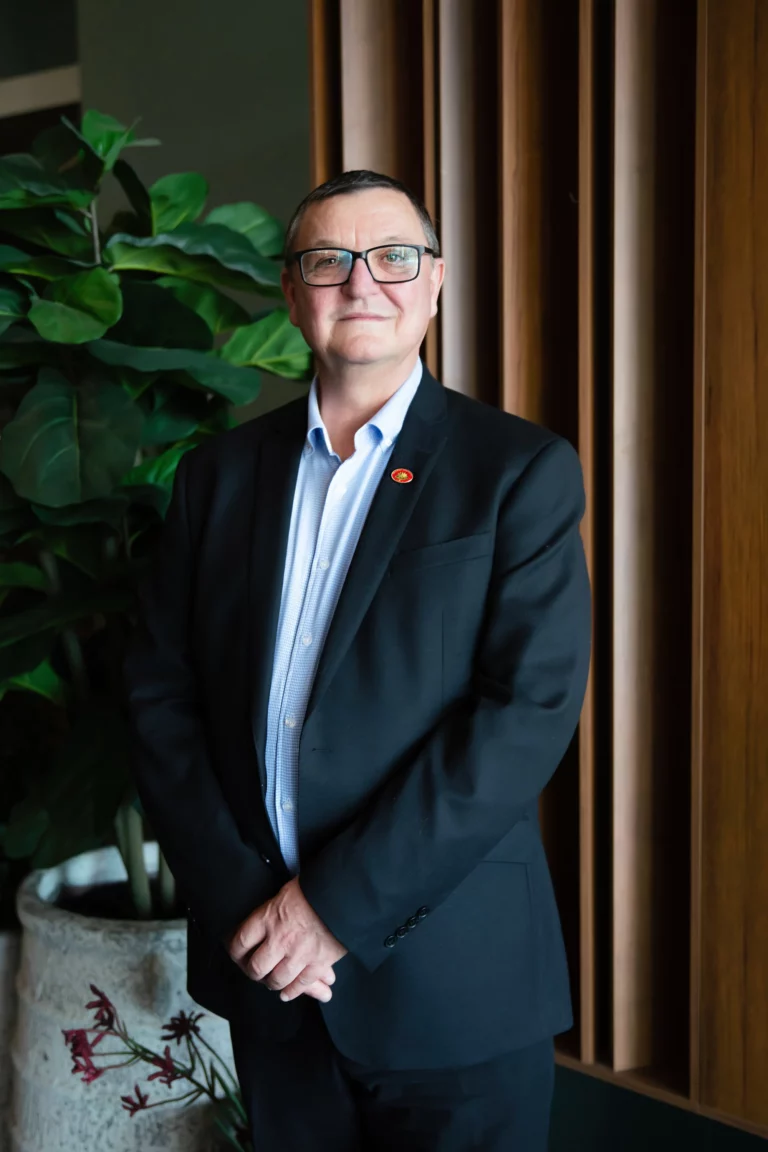
Eric Allgood is the Managing Director of SBAAS and brings over two decades of experience in corporate guidance, with a focus on governance and risk, crisis management, industrial relations, and sustainability.
He founded SBAAS in 2019 to extend his corporate strategies to small businesses, quickly becoming a vital support. His background in IR, governance and risk management, combined with his crisis management skills, has enabled businesses to navigate challenges effectively.
Eric’s commitment to sustainability shapes his approach to fostering inclusive and ethical practices within organisations. His strategic acumen and dedication to sustainable growth have positioned SBAAS as a leader in supporting small businesses through integrity and resilience.
Qualifications:
- Master of Business Law
- MBA (USA)
- Graduate Certificate of Business Administration
- Graduate Certificate of Training and Development
- Diploma of Psychology (University of Warwickshire)
- Bachelor of Applied Management
Memberships:
- Small Business Association of Australia –
International Think Tank Member and Sponsor - Australian Institute of Company Directors – MAICD
- Institute of Community Directors Australia – ICDA
- Australian Human Resource Institute – CAHRI
Our Consulting Services
Management Consulting

Compliance & Risk
Professional Writing Services
Consistency in Communication
Small Business Consulting
Sustainable Businesses
Start-ups
Set-up for Success
Further Reading

Grant Writer Cost in Australia: Why the Cheapest One Tells You Not to Apply
A grant writer in Australia typically costs $50 to $300 or more an hour, or about $500 to $5,000 for a small to mid-sized application, excluding GST. The fee is only half the decision, because many grant programs will not pay for the writer. This guide shows what to pay, what to avoid and how to tell whether a grant is worth what it costs to win.

AI Use Policy: One in Three Staff Use AI in Secret. Silence Is Not a Policy.
One in three Australian workers now use AI tools at work without their employer knowing. That use is happening whether or not you have rules for it. Without an AI use policy, client information, fabricated facts and unmanaged cyber exposure become your problem. Here is what is at stake, and what a practical policy should say.

The Employee Choice Pathway
The rules for casual conversion have flipped. Under the employee choice pathway, eligible casuals now tell you they want to go permanent, and you must respond in writing within 21 days. For early childhood centres that run on casuals, this changes how you roster and plan. Here is who is eligible, how to respond, and the few grounds on which you can say no.

Policy Review Services: Workplace Policies Expire. When Did You Last Check Yours?
Review your workplace policies at least once a year, and immediately when the law, your business, or your risks change. Since January 2025, employers have absorbed criminal wage theft laws, the right to disconnect and Payday Super, and new privacy policy rules starting on 10 December 2026. This guide covers how often to review, what triggers an early review and where to start.

You Just Screened Out Your Best Candidate. They Were 52.
A quarter of Australian employers now call a 52-year-old an older worker. AI screening tools are being sued in the United States for rejecting applicants over 40. Meanwhile, KPMG puts the value of getting more over-55s into work at $29 billion a year. Here is what age bias actually costs, and how to take it out of your hiring in 30 days.

Your Honest Ad Might Still Be Breaking the Law
You did not lie. You did not mean to mislead anyone. You believed every word. And you can still be on the wrong side of the law. That is the hard truth about advertising in Australia: good intentions are not a defence. What matters is the impression your words leave, not the honesty behind them. Here is how to stay on the right side of the line.