


Stop Hovering: Lead High-Performing Teams Without Micromanaging

In small businesses, every person counts. When the team performs well, the whole business thrives. But too often, owners get stuck in a loop checking, correcting, and doing things themselves. That’s micromanagement, and while it might feel like control, it’s costing you performance.

You don’t need to be across everything to build a high-performing team. You need the right foundations: clear expectations, practical systems, and leadership focusing on outcomes, not tasks. Here’s how to do it.

Business 2 6

Why Micromanagement Fails

Micromanagement drains morale, slows work, and limits growth.

It sends a message to your team: “I don’t trust you.” That stifles confidence, delays decision-making, and makes people wait for instructions instead of solving problems. In small businesses, where speed and flexibility matter, micromanagement kills momentum.

It’s also bad for you. Constant monitoring eats up your time and energy. You become the bottleneck in your own business.

Common signs of micromanagement include:

  • Rechecking every task or email
  • Over-explaining simple processes
  • Holding too many unnecessary check-ins
  • Correcting minor details rather than guiding outcomes


Over time, this creates a cycle of dependency and resentment. People stop using their initiative, reinforcing your belief that you must control everything.

To break the cycle, you must shift from control to trust and management to leadership.

What High Performance Looks Like

High-performing teams aren’t just busy. They:

  • Understand the business’s goals
  • Know their roles and responsibilities
  • Communicate clearly and proactively
  • Deliver results without constant supervision
  • Solve problems without always needing permission


They’re aligned, motivated and focused on outcomes. You don’t need to chase the, they chase progress.

And it’s not luck. It’s built intentionally with structure, leadership and support.


How Do You Create a High-Performing Team?

In small Australian businesses, there’s often little time to spare. But building a high-performing team doesn’t require big budgets or endless training. It starts with five practical steps:

  1. Set Clear Expectations

People perform best when they know what’s expected of them. Document roles, KPIs and behaviours. Clarity reduces confusion and eliminates the need for constant correction.

Use job descriptions, onboarding checklists and simple team charters. Make sure each person knows:

  • Their responsibilities
  • How success is measured
  • What decisions can they make


  1. Build Smart Systems

Systems are your silent managers. A good system ensures work gets done consistently, even when you’re not there.

Focus on:

  • SOPs (Standard Operating Procedures)
  • Project management tools (like Trello or Asana)
  • Communication guidelines (e.g. when to call vs when to email)
  • Templates and automated workflows


Visit SBAAS HR & IR Services to explore system-building support tailored for small businesses.

  1. Hire for Attitude, Not Just Skill

Skills can be taught, but mindset can’t. Look for people who are curious, proactive and values-aligned.

In interviews, ask behavioural questions:

  • “Tell me about a time you fixed a problem without being asked.”
  • “How do you stay on track when working independently?”


A high-performing team is made up of self-managing individuals, not robots.

  1. Offer Consistent Feedback

Don’t wait for annual reviews. Give regular, practical feedback. Celebrate wins. Redirect gently when things go off course.

Use the SBI method (Situation, Behaviour, Impact):

  • “In today’s meeting (Situation), you cut across the client (Behaviour), which came across as rushed (Impact).”


Simple, direct feedback creates a learning culture without micro-controlling every move.

  1. Develop a Culture of Accountability

Accountability doesn’t mean blame. It means each person owns their role and follows through.

You can build this by:

  • Holding regular 1:1s
  • Reviewing progress transparently
  • Encouraging team problem-solving


Let your team own the outcome. If they miss a target, support them in finding solutions, not excuses.

How to Manage Your Team Without Micromanaging

Leadership without micromanagement is based on structure, trust and empowerment. Here’s how it works:

Delegate Outcomes, Not Tasks

Don’t just say, “Do this.” Instead, say, “Here’s the goal: how do you plan to get there?”

This fosters ownership. Your team starts thinking like problem-solvers.

Ask Questions, Don’t Give Orders

Instead of instructing, ask:

  • “What do you think the next step is?”
  • “What’s your plan for meeting the deadline?”

This activates initiative and reveals gaps in thinking without taking control back.

Check Progress, Not Process

Have structured updates (e.g. weekly catch-ups), but don’t hover over how people work unless there’s a problem. Trust their method.

Use Scoreboards, Not Surveillance

Visible KPIs and dashboards show progress without micromanaging. Everyone knows where things stand. Use shared project boards or visual trackers.

Create Psychological Safety

People must feel safe speaking up, trying new things and making mistakes. This creates innovation, not fear.

Psychological safety is linked to high-performing teams across industries, from healthcare to tech. It’s just as vital in a small business.

Leadership Strategies That Work

Small business owners wear many hats. However, when it comes to leadership, the best tool you have is your example.

Strong leaders:

  • Set standards through their behaviour
  • Stay open to feedback
  • Ask for input
  • Focus on developing others, not doing it all


You don’t need to be perfect. You need to be intentional.

Try These Practical Strategies:

  • Weekly team huddles to align on goals
  • Monthly 1:1 check-ins for support
  • Quarterly reviews for performance and growth
  • Annual planning sessions to co-design future priorities


When people feel seen and supported, they perform better, without handholding.

Business 1 5

SBAAS Coaching Support

At SBAAS, we help small businesses build high-performing teams through tailored HR and leadership support.

Whether you’re starting from scratch or scaling fast, our coaching can help you:

  • Document roles and responsibilities
  • Design easy-to-follow systems
  • Train leaders to delegate, not dictate
  • Improve communication and feedback loops
  • Grow a culture of accountability


We understand the unique pressures of Australian small businesses. You’re not managing a corporate. You’re managing people who wear multiple hats in a fast-paced environment. That’s why our approach is practical, human and outcomes-focused.

Explore our HR & IR consulting services to see how we can support your next step.

Ready to Stop Micromanaging and Start Leading?

You don’t need to control every detail to have a high-performing team. You need systems, clarity and leadership that empowers others.

If you’re tired of doing everything yourself, let’s talk. Book an appointment to explore how SBAAS can help you build the team you need to grow, or learn more about who we are and how we work.

Sources

Australian Bureau of Statistics. (2023). Labour Force, Australia.
Harvard Business Review. (2016). The Case Against Micromanagement.
Mayer, R. E. (2009). Multimedia Learning (2nd ed.). Cambridge University Press.
Nielsen Norman Group. (2020). F-Pattern for Reading Web Content.
Workplace Gender Equality Agency. (2023). Supporting Women in Leadership.
Google Scholar. (2024). Psychological Safety and Team Performance.

0d9a8782 branding profiles

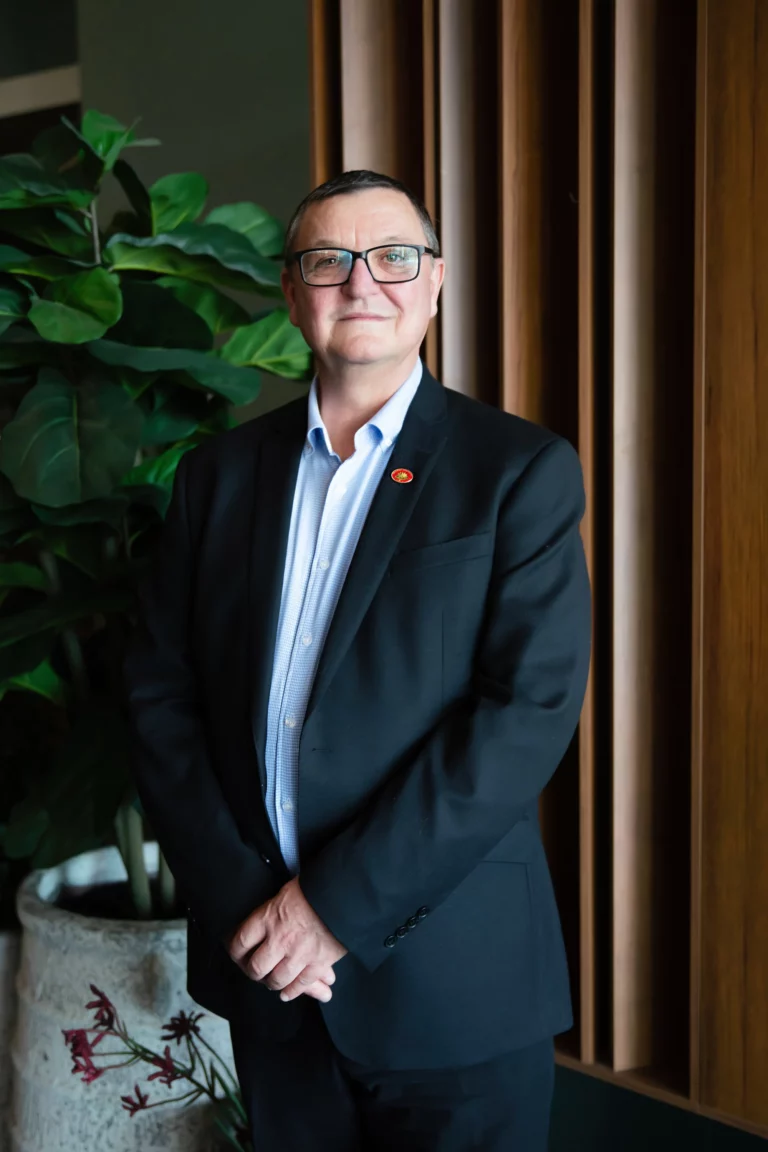
Eric Allgood is the Managing Director of SBAAS and brings over two decades of experience in corporate guidance, with a focus on governance and risk, crisis management, industrial relations, and sustainability.

He founded SBAAS in 2019 to extend his corporate strategies to small businesses, quickly becoming a vital support. His background in IR, governance and risk management, combined with his crisis management skills, has enabled businesses to navigate challenges effectively.

Eric’s commitment to sustainability shapes his approach to fostering inclusive and ethical practices within organisations. His strategic acumen and dedication to sustainable growth have positioned SBAAS as a leader in supporting small businesses through integrity and resilience.

Qualifications:

  • Master of Business Law
  • MBA (USA)
  • Graduate Certificate of Business Administration
  • Graduate Certificate of Training and Development
  • Diploma of Psychology (University of Warwickshire)
  • Bachelor of Applied Management

Memberships:

  • Small Business Association of Australia –
    International Think Tank Member and Sponsor
  • Australian Institute of Company Directors – MAICD
  • Institute of Community Directors Australia – ICDA
  • Australian Human Resource Institute – CAHRI

Our Consulting Services

Management Consulting

For larger companies, SBAAS transforms complexity into clarity with solutions that accelerate performance, growth and market resilience.

Compliance & Risk

From enterprise agreements to governance frameworks, SBAAS ensures compliance, reduces exposure and supports sustainable, risk-aware decision-making.
Learn more
sbaas financial management

Professional Writing Services

Content that elevates your message, builds credibility & drives impact across tenders, reports, policies and executive communications.

Consistency in Communication

Clear, plain-English documents that meet compliance standards, reduce risk, and protect reputation through accurate, accessible and professional communication.
Learn more

Small Business Consulting

For small businesses, tailored strategies in marketing, operations & growth that boost profitability and strengthen customer connections.

Sustainable Businesses

Expert guidance in compliance, HR, policies and financial systems that reduce risks and create a secure foundation for sustainable expansion.
Learn more

Start-ups

For start-ups, SBAAS provides everything needed to launch, from setting up your books to building websites and driving growth strategies.

Set-up for Success

From compliance requirements to business structure, SBAAS ensures new ventures start strong, minimise risks and build systems for lasting success.
Learn more

Further Reading

SBAAS Events

Skip to content