


Is Business Coaching Really Worth It? Here’s What Every Aussie SME Needs to Know

The Real ROI of Business Coaching for SMEs

In Australia’s competitive economy, small business owners are under increasing pressure to grow, adapt and succeed. But with tight budgets and limited time, many ask, “Is business coaching really worth it?” This article explores the real return on investment (ROI) of business coaching for SMEs, with a sharp focus on results, costs, and how to choose the right support.

Business 1 11

What Does Business Coaching Cost?

When considering business coaching, the first question most SME owners ask is: what’s the price tag?

Costs can vary significantly depending on the coach’s experience, delivery method and the depth of support. Business coaching packages in Australia typically fall into these categories:

  • Hourly rate: $200 to $750 per hour
  • Monthly retainers: $1,750 to $5,000 per month
  • Project-based or performance coaching: Ranges from $5,000 to $50,000 over a set period


SBAAS’s Actually Supported Business Coaching offers tailored, high-impact programs that scale with your business’s stage and needs.

While coaching might seem costly at first glance, viewing it as an investment rather than an expense is essential.

Potential ROI

Productivity and Efficiency

Business coaching helps business owners identify inefficiencies, streamline operations and build productive habits. According to the International Coach Federation (ICF), clients report a 70% increase in individual performance and a 67% improvement in teamwork.

Australian SMEs working with SBAAS frequently experience:

  • Faster decision-making
  • Fewer operational bottlenecks
  • Increased employee accountability

Explore how SBAAS helps streamline workflows for profitability and growth.

Revenue Growth

Increased focus, goal setting and accountability contribute directly to better financial performance. Reports suggest that businesses that invest in coaching see an average ROI of 5 to 7 times their investment, with some exceeding 20 times the initial outlay.

Results typically include:

  • Growth in recurring revenue
  • Improved client retention
  • Enhanced pricing strategies


Risk Reduction

With clear guidance, SMEs are better equipped to handle compliance, staffing and market risks. SBAAS’s business coaching also includes insights into Fair Work compliance and regulatory navigation.

Strategic Clarity

Small businesses often get stuck working in the business instead of on it. A coach helps clarify vision, set strategic goals and maintain momentum.

What is the Value of Business Coaching?

Let’s look beyond dollars.

Confidence and Capability

Owners report improved self-confidence, leadership skills and decision-making capabilities. This reduces stress, improves retention of key staff, and builds a healthier business culture.

Independent Perspective

An external coach provides unbiased insights. Unlike internal stakeholders, a coach tells you what you need to hear, not what you want to hear.

Accountability

Having someone track your progress ensures goals don’t fall by the wayside. Accountability drives action.

Access to Expertise

You tap into years of business knowledge, proven systems and industry insights. It’s like adding a high-level strategist to your team without the full-time salary.

Business 2 12

Real Client Examples

Brisbane-Based Trades Business

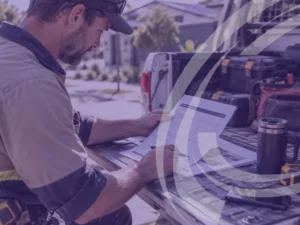
An electrician engaged SBAAS to streamline his quoting process. With coaching, he reduced quoting time by 40%, increased conversion rates and expanded his team from 3 to 6 within 18 months.

Regional Allied Health Practice

Facing burnout, the practice owner turned to business coaching to improve systems and balance. The result? A 30% increase in patient bookings, improved employee satisfaction and two additional locations.

Hospitality Group

Through coaching, this group identified brand gaps, optimised menus and implemented better rostering systems. Monthly profit grew by 22% over six months.

Read more about future-proofing your small business.

How to Choose the Right Coach

Not all business coaches are equal. Consider the following:

  1. Proven Experience

Look for coaches with practical experience, particularly in the Australian SME market.

  1. Industry Fit

Does the coach understand your industry, whether it’s trades, services, allied health or hospitality?

  1. Coaching vs. Consulting

Understand the difference. This guide explains which model fits your business.

  1. Tailored Packages

Off-the-shelf coaching often fails. Choose a program built around your business stage and goals. SBAAS offers custom business coaching packages that flex with your growth.

  1. Measurable Outcomes

Insist on tracking and data. What gets measured gets improved.

Is It Worth It for Your SME?

If you’re:

  • Struggling with growth
  • Juggling too many roles
  • Facing staff or compliance issues
  • Lacking strategic direction

Then yes, coaching is worth the investment.

The value doesn’t just lie in financial outcomes. It lies in time saved, confidence gained, and a business that works for you.

Australian SMEs face unique challenges. Whether navigating staffing shortages, rising costs or fast-changing digital demands, having a trusted guide can fast-track success.

Learn more about current small business trends for 2025 and how coaching can align your goals.

The Real Return

When viewed as a long-term investment, the real ROI of business coaching becomes clear. It’s not just about fixing immediate issues but transforming how you lead, operate and grow.

Ready to see what business coaching could do for you?

Explore Actually Supported Coaching or book a conversation with the SBAAS team today.

0d9a8782 branding profiles

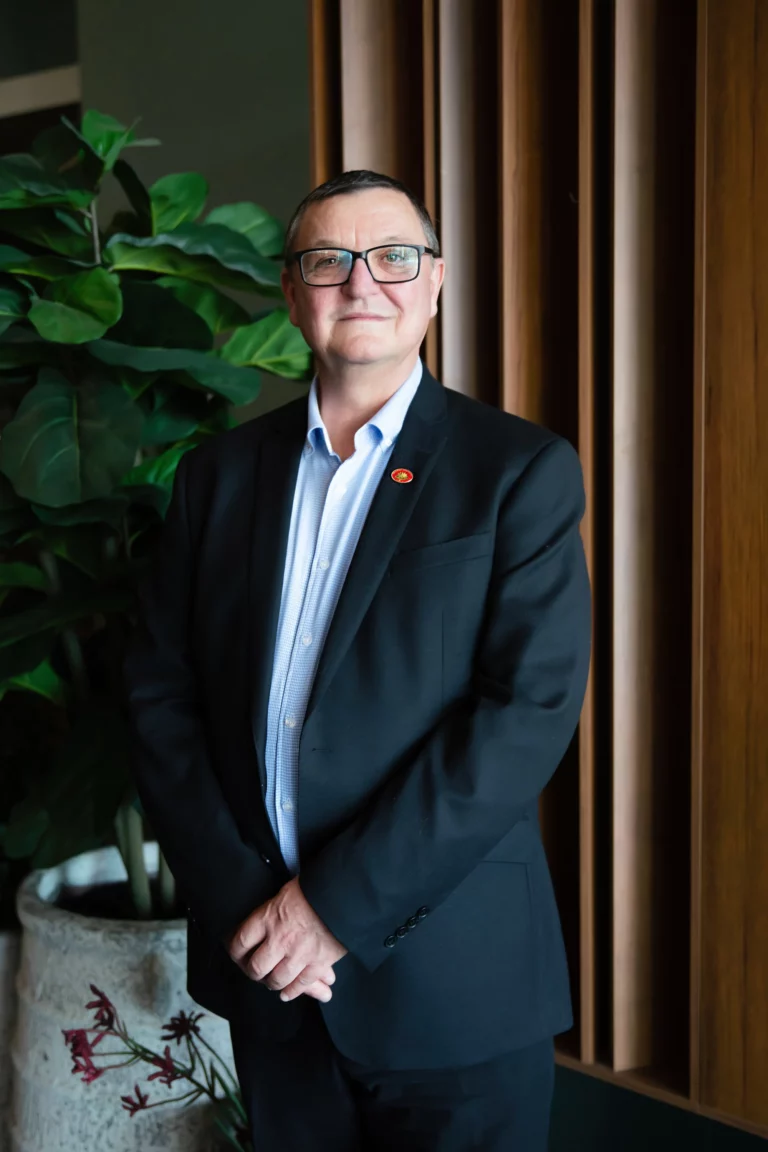
Eric Allgood is the Managing Director of SBAAS and brings over two decades of experience in corporate guidance, with a focus on governance and risk, crisis management, industrial relations, and sustainability.

He founded SBAAS in 2019 to extend his corporate strategies to small businesses, quickly becoming a vital support. His background in IR, governance and risk management, combined with his crisis management skills, has enabled businesses to navigate challenges effectively.

Eric’s commitment to sustainability shapes his approach to fostering inclusive and ethical practices within organisations. His strategic acumen and dedication to sustainable growth have positioned SBAAS as a leader in supporting small businesses through integrity and resilience.

Qualifications:

  • Master of Business Law
  • MBA (USA)
  • Graduate Certificate of Business Administration
  • Graduate Certificate of Training and Development
  • Diploma of Psychology (University of Warwickshire)
  • Bachelor of Applied Management

Memberships:

  • Small Business Association of Australia –
    International Think Tank Member and Sponsor
  • Australian Institute of Company Directors – MAICD
  • Institute of Community Directors Australia – ICDA
  • Australian Human Resource Institute – CAHRI

Our Consulting Services

Management Consulting

For larger companies, SBAAS transforms complexity into clarity with solutions that accelerate performance, growth and market resilience.

Compliance & Risk

From enterprise agreements to governance frameworks, SBAAS ensures compliance, reduces exposure and supports sustainable, risk-aware decision-making.
Learn more
sbaas financial management

Professional Writing Services

Content that elevates your message, builds credibility & drives impact across tenders, reports, policies and executive communications.

Consistency in Communication

Clear, plain-English documents that meet compliance standards, reduce risk, and protect reputation through accurate, accessible and professional communication.
Learn more

Small Business Consulting

For small businesses, tailored strategies in marketing, operations & growth that boost profitability and strengthen customer connections.

Sustainable Businesses

Expert guidance in compliance, HR, policies and financial systems that reduce risks and create a secure foundation for sustainable expansion.
Learn more

Start-ups

For start-ups, SBAAS provides everything needed to launch, from setting up your books to building websites and driving growth strategies.

Set-up for Success

From compliance requirements to business structure, SBAAS ensures new ventures start strong, minimise risks and build systems for lasting success.
Learn more

Further Reading

Reasonable adjustments

Since 1 August, Every Childcare Service Has a Written Duty to Children With Disability. Most Have Not Read It.

On 1 August 2026, the Disability Standards for Education 2005 were extended to almost every early childhood service in Australia: long day care, family day care, in-home care, outside school hours and vacation care. The obligations under the Disability Discrimination Act were always there. What has changed is that they are now spelled out, auditable, and enforceable in a form that families and regulators can point to. Here is what the Standards require, what a reasonable adjustment actually is, and what to put in place now.
Read More »
When ai agents choose

Your Next Patient May Never See a List. An AI Will Choose for Them.

More and more buying decisions are being made by AI, not people. For allied health practices, that shift may soon influence how patients discover, compare and book healthcare services. As AI agents become the gatekeepers of search and selection, practices with accurate, consistent and easily accessible information will be the ones most likely to be recommended. The good news? The same factual, transparent approach that AI rewards is also aligned with AHPRA’s advertising requirements.

Read More »
Consumer law penalties

The Price of Getting It Wrong Just Doubled

In March 2026, the maximum penalties under the Australian Consumer Law doubled overnight. You will probably never face the top fine. So why should a small business owner care? Because the change quietly raised the stakes on the everyday decisions you already make, from the quote you send tomorrow to the refund you handle next week.

Read More »
Leading change

Seven in Ten Change Efforts Fail. The Problem Is Rarely the Plan.

Most change efforts fail, and almost never because of the plan. They fail on people. Leading change well means giving people a compelling why, modelling the change yourself, bringing your team and clients with you, and following through long after launch. Get that right, and change becomes the thing that pulls your business ahead, not the thing that breaks it.

Read More »

SBAAS Events

Add Your Heading Text Here

Skip to content