


From Burnout to Balance - Consulting for Allied Health Owners
Burnout among allied health owners in Australia has become increasingly prevalent. Many clinicians today face overwhelming administrative burdens, long hours, and the emotional strain of caring for patients. This can compromise both personal well-being and business sustainability. Consulting for allied health owners offers a structured, strategic response that restores operational balance and supports long-term practice health.
Understanding Burnout Among Allied Health Professionals
Burnout is a prolonged state of physical, mental, and emotional exhaustion. It is common in professions demanding high clinical engagement, such as allied health. In one study, nearly half of NDIS clinicians and allied health workers reported feeling burned out at least half of the time due to high workloads. Risk factors also include inadequate workplace support, lack of role clarity, excessive administration and poor work–life boundaries. These conditions are particularly acute in fast-paced environments with limited funding or resources.
Many professionals also face emotional exhaustion before even beginning their day. This can lead to detachment, reduced productivity, impaired cognition and negative workplace culture. Left unaddressed, burnout may compromise patient safety, staff retention, and the quality of care.
Key Drivers
- Heavy workloads and administrative tasks reduce direct time with patients and erode professional satisfaction.
- Long hours and unrealistic expectations often exceed reasonable work–life boundaries, raising turnover risk.
- Low autonomy and poor role clarity leave professionals uncertain of expectations and unsupported in their roles.
- Limited access to training or mentorship hinders career progression and contributes to professional isolation.
- Organisational culture and systems can either aggravate or mitigate burnout risks depending on their support frameworks.
These factors highlight systemic issues rather than personal failure. Preventing burnout requires organisational interventions as much as individual resilience strategies.
Consulting for Allied Health Owners: A Structured Solution
Consulting for allied health owners addresses these systemic drivers by offering targeted support in three critical areas: capacity, compliance and burnout alleviation.
Enhancing Operational Capacity
Consulting helps clinicians move from reactive management to proactive strategy. It identifies inefficiencies in scheduling, billing, staffing and workflows. Consultants guide the implementation of tools and systems that streamline day-to-day operations. Freed from administrative overload, practice owners can focus on client care and strategic growth.
Managing Compliance and Risk
Compliance obligations and tender processes can overwhelm small practices. Consultants bring expertise in policy development, compliance systems, grant and tender writing. By integrating governance frameworks and risk management, practices can reduce stress associated with regulation and documentation.
Reducing Burnout through System Reform
Consultants work to cultivate healthier workplace environments. They support leadership development, role clarity and team dynamics. They design interventions to rebalance workload distribution, enhance communication and reduce emotional risk. This leads to stronger retention and a more resilient practice culture.
Why SBAAS Stands Out Within the Australian Context
SBAAS delivers a model known as “Actually Supported Business Coaching”. This goes beyond advisory input to include hands-on assistance across finance, operations, HR, policy development, compliance, marketing and system implementation.
Australia relies heavily on small businesses. Allied health practices often operate with fewer than twenty staff. SBAAS offers consulting services that align with these small-scale, high-demand environments. The firm adapts international best practice to local economic and regulatory contexts, particularly relevant for urban and regional practices across Queensland and beyond.
The Australian context also reveals high mental health burdens. Nearly half of all Australians report having experienced a mental health condition, with work-related mental health conditions resulting in significantly longer time off than physical ones. This underlines the importance of structured support for burnout prevention among professionals.
Outcomes and Benefits
The adoption of consulting solutions produces clear advantages for allied health owners:
- Reduced administrative complexity and increased efficiency.
- Better time allocation to clinical and strategic tasks.
- Robust policy implementation that mitigates risk.
- Improved clarity in staffing roles and stronger team cohesion.
- Sustainable business models enabling growth, retention and job satisfaction.
By empowering leadership and embedding systems that support wellbeing and performance, consulting fosters balance without diminishing clinical quality.
Final Thoughts
Burnout among allied health owners is widely recognised and deeply entrenched in the demands of clinical and business responsibilities. Consulting for allied health owners offers a systematic, practice-wide remedy. It addresses root causes by enhancing capacity, ensuring compliance and supporting sustainable operations. A clinical framework of consultancy validates burnout as a structural issue and responds with real-world solutions.
Sources
Allied health burnout and contributing factors – Better Rehab
Workplace challenges and burnout prevalence – Unite Health
Consulting tailored for allied health professionals – SBAAS
Mental health impacts in the Australian workforce – KPMG report via KPMG Australia insights
Organisational interventions to reduce burnout – Better Rehab workplace interventions
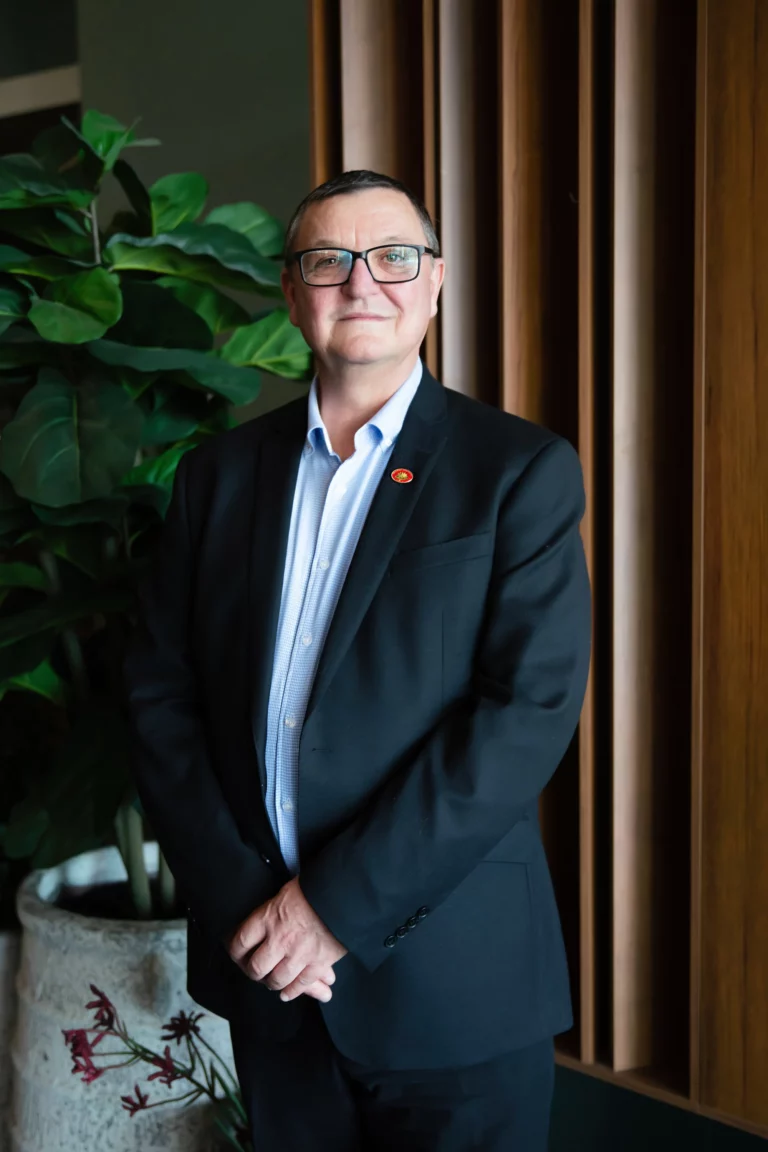
Eric Allgood is the Managing Director of SBAAS and brings over two decades of experience in corporate guidance, with a focus on governance and risk, crisis management, industrial relations, and sustainability.
He founded SBAAS in 2019 to extend his corporate strategies to small businesses, quickly becoming a vital support. His background in IR, governance and risk management, combined with his crisis management skills, has enabled businesses to navigate challenges effectively.
Eric’s commitment to sustainability shapes his approach to fostering inclusive and ethical practices within organisations. His strategic acumen and dedication to sustainable growth have positioned SBAAS as a leader in supporting small businesses through integrity and resilience.
Qualifications:
- Master of Business Law
- MBA (USA)
- Graduate Certificate of Business Administration
- Graduate Certificate of Training and Development
- Diploma of Psychology (University of Warwickshire)
- Bachelor of Applied Management
Memberships:
- Small Business Association of Australia –
International Think Tank Member and Sponsor - Australian Institute of Company Directors – MAICD
- Institute of Community Directors Australia – ICDA
- Australian Human Resource Institute – CAHRI
Our Consulting Services
Management Consulting

Compliance & Risk
Professional Writing Services
Consistency in Communication
Small Business Consulting
Sustainable Businesses
Start-ups
Set-up for Success
Further Reading

From Burnout to Balance: How Consulting for Allied Health Owners Transforms Overwhelm into Control
Discover how consulting for allied health owners helps small private practices in Australia overcome burnout, improve capacity, and ensure compliance, so you can reclaim your business, and your life.

Is It Time to Hire a Business Consultant? 5 Spot-On Signs You’re Ready to Grow
You’ve built your small business from the ground up, but now, growth is plateauing, operations feel chaotic, and your work hours are endless. This article reveals five unmistakable signs that hiring a business consultant could be the turning point your business needs. Tailored to the Australian small business landscape and mindful of global shifts, discover when strategic support transforms hustle into success.

AI-Generated Workplace Policies: Are They Legally Reliable?
AI can draft a workplace policy in seconds. The Fair Work Commission, the NDIS Quality and Safeguards Commission and Australia’s privacy regulator are already showing why that speed carries real legal risk, and what allied health, child care, not-for-profit, trades and professional services businesses should do instead.

The Data-Driven SME-From Gut Feel to Evidence-Led Decisions
Australian small businesses win on speed and service. To keep that edge, the next step is data-driven decision-making for SMEs. This guide shows how to build accurate books, practical dashboards, and forecasts so that every decision is faster, calmer, and more profitable.

Stop Hovering: Lead High-Performing Teams Without Micromanaging
Tired of doing everything yourself? Discover how small business owners across Australia are building high-performing teams that don’t rely on micromanagement. Learn how systems, leadership, and trust create results, not control.

Policy Templates vs Professionally Written Policies: The Difference Could Cost You Your Registration
AI cannot wire a switchboard, lay a brick, or fix a burst pipe. What it can do is take the quoting, scheduling, and invoicing off your plate, so you spend more time on the tools and less at the kitchen table on a Sunday night. Here is what actually works for trades, and what is just noise.